Category: Physical Sciences

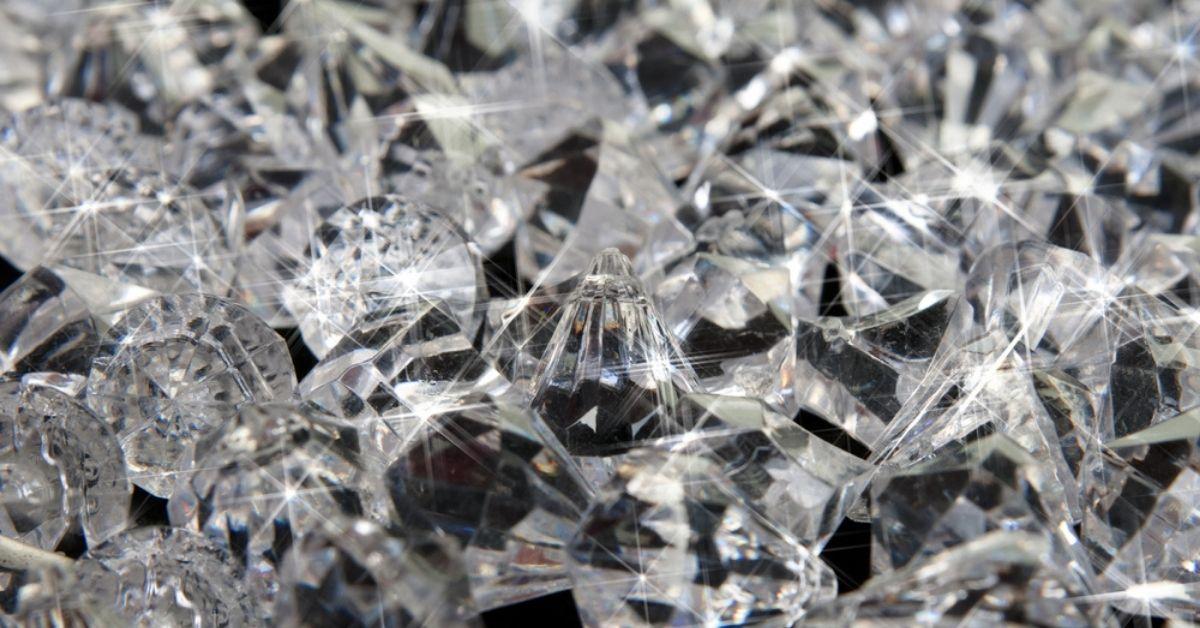
Can you really turn coal into diamonds?
Shutterstock It’s an all-too-familiar image in pop culture: A super-powered character grabs a piece of coal, crushes it in their…
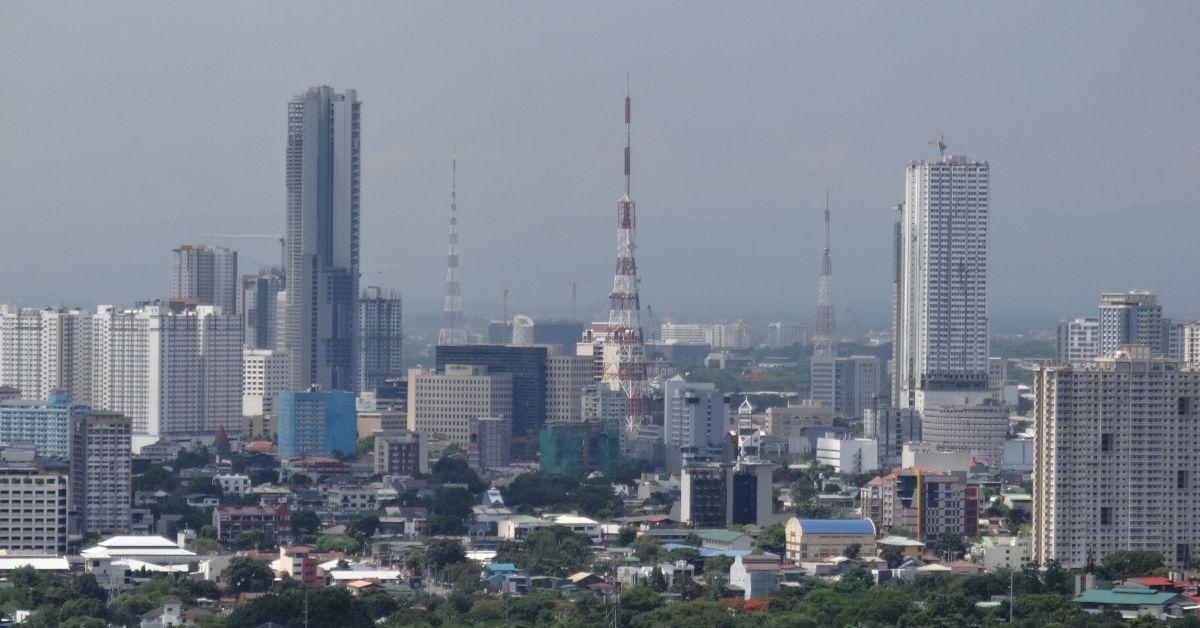
The quarantine has improved Metro Manila’s air quality—but is it a reason to celebrate?
•Data from air monitoring stations in Quezon City revealed a massive decrease in air pollution since the implementation of the…
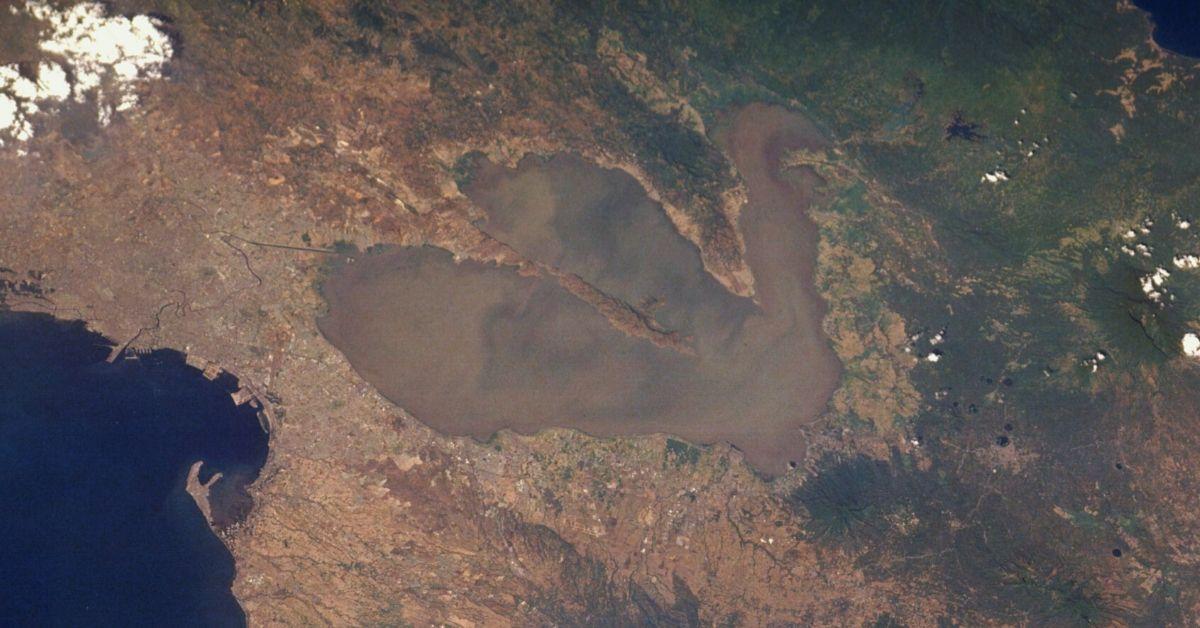
Laguna de Bay: The largest lake in the Philippines
One of the Philippines’ chief sources of freshwater fish, Laguna de Bay is the country’s largest inland body of water,…
The race to save the Philippine pangolin
•There is a significant knowledge gap regarding the critically endangered Philippine pangolin (Manis culionensis) or balintong, hindering efforts to save the species.…
The mudworm named after Iloilo—and how it can benefit a billion-peso industry
•A team of scientists from the Philippines and Australia recently identified a new species of mudworm, Marphysa iloiloensis. •Named after the…
Benham bedlam: Why the Philippine Rise should matter to all of us
•The Philippine Rise (also called the Benham Rise) lies east of Luzon, and falls under the Philippines’ sovereign rights. •Located…
Cloudhunters: How Pinoy farmers’ woes led to a pioneering NASA collab
Floodlights illuminate the light fog and wispy clouds at 4 AM, above Pampanga’s Clark International Airport. A young woman in…
What 118 years’ worth of climate data reveals about Metro Manila’s future
A Filipino atmospheric scientist wanted to see what over a century’s worth of climate data could say about Metro Manila.…
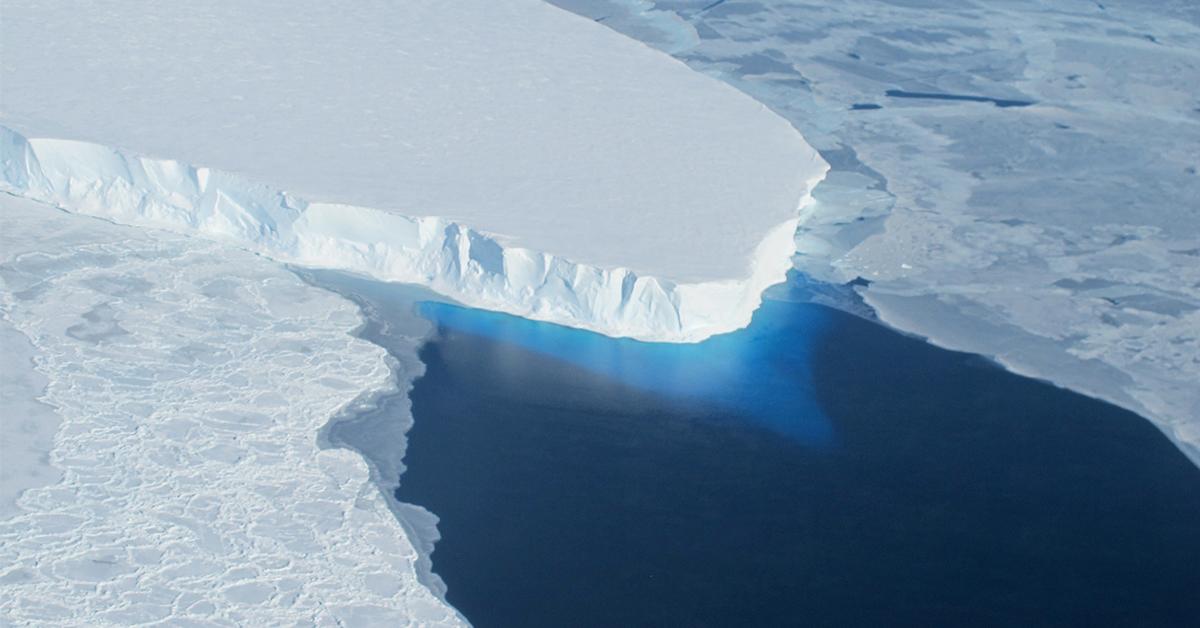
As the Thwaites Glacier melts, global sea levels rise. Can we still save it?
•Antarctica’s massive Thwaites Glacier accounts for 4 percent of the annual sea level rise. •Recently, scientists discovered that it is…

Glass is neither solid nor liquid
FlipFact of the Day: Glass, like gel and plastic, is neither solid nor liquid. Glass falls under the category of amorphous…