
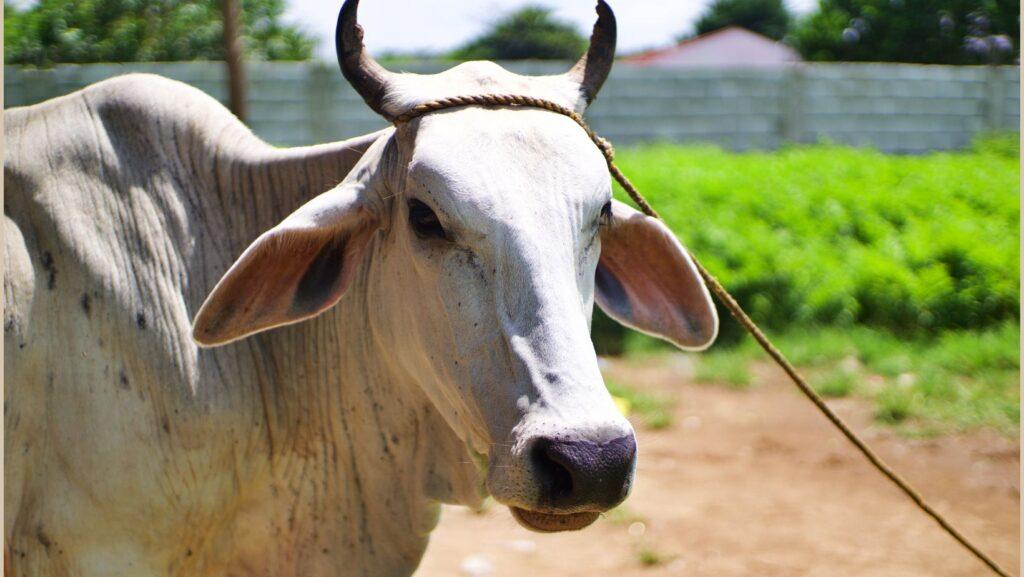
For decades, farmed animals were viewed primarily through the lens of production efficiency. But a growing body of scientific research is revealing that chickens, pigs, cattle, and other agricultural species possess remarkable cognitive abilities, complex social structures, and rich emotional lives that rival those of animals we consider highly intelligent.
1. Chickens demonstrate self-control and complex cognition
Research has shown that chickens can demonstrate self-control by waiting for larger food rewards, a cognitive ability that requires anticipating the future and making decisions based on that anticipation. In studies, 90 percent of chickens chose to wait for a larger food reward rather than take an immediate smaller one, demonstrating sophisticated temporal reasoning. Chickens also possess some understanding of numerosity and share basic arithmetic capacities with other animals, and five-day-old domestic chicks can discriminate between quantities and perform simple arithmetic by tracking objects hidden behind screens. Additionally, chickens communicate in complex ways, including through referential communication, which may depend upon some level of self-awareness.
2. Pigs rival dogs in problem-solving intelligence
Pigs are considered to be among the most intelligent animals on the planet, often ranking fifth in intelligence studies. Research demonstrates that pigs can understand symbolic representation and perform complex problem-solving tasks. In one particularly intriguing study, two pigs showed they understood gestures and verbal symbols representing objects such as a Frisbee, ball, and dumbbell, as well as actions such as “sit,” “fetch,” and “jump.” The pigs could distinguish among multiple items and learned complex combinations of symbols for actions and objects, performing requested tasks as well as dolphins.
3. Cattle form deep friendships and social bonds
Research by Krista McLennan of Northampton University demonstrates that cows have “best friends,” showing significantly lower heart rates and reduced stress when paired with preferred companions versus unfamiliar cows. Cattle engage in allogrooming behavior (licking one another) that reinforces social connections, with cows tending to groom other cows that had previously groomed them. Studies using vocal analysis have found that cows maintain distinct individual voices throughout their lives and communicate complex emotions, including distress, excitement, and arousal. When separated from friends, cattle show signs of mutual stress and will lie near stressed herdmates, particularly if they’re friends.
4. Fish experience pain and demonstrate individual personalities
Studies in fish have shown that the biology of the nociceptive system is strikingly similar to that found in mammals, with bony fish possessing nociceptors that are similar to those in mammals. Rainbow trout have polymodal nociceptors that respond to mechanical pressure, temperatures above 40°C, and chemical irritants like acetic acid. When experiencing potentially painful events, fish show behavioral and physiological changes such as reduced activity, guarding behavior, suspension of normal behavior, and increased ventilation rate—all of which are prevented by pain-relieving drugs. Fish injected with painful substances showed abnormal behaviors like rocking and rubbing injured areas, took longer to resume normal feeding, and exhibited other responses consistent with pain experience.
5. Goats excel at problem-solving and emotional sensitivity
Research from the Queen Mary University of London and the University of Veterinary Medicine Vienna has revealed advanced cognitive abilities in goats, including strong problem-solving skills, remarkable long-term memory, and emotional awareness. Goats can learn complex multi-step tasks and retain them even after several months, demonstrating impressive recall and adaptability. They are also highly perceptive of human cues—studies show goats prefer interacting with smiling faces and can distinguish between positive and negative emotional expressions. In visual tests, goats recognize familiar individuals and may even combine visual and auditory cues to identify known humans. These findings challenge long-held assumptions about goats’ intelligence, showing they possess both curiosity and emotional sensitivity that rival many domesticated animals.
Animal Empathy Philippines champions farmed animal welfare recognition
These scientific findings take on special significance on World Farmed Animal Day (October 2). Chickens are just as cognitively, emotionally, and socially complex as most other birds and mammals in many areas, while pigs are cognitively complex and share many traits with animals we consider intelligent.
To commemorate this important day, Animal Empathy Philippines (AEP) proudly launches a nationwide campaign: “Kapwa Natin Sila, Dapat Kasama Sila,” a month-long celebration that features heartwarming stories and educational posts to inspire Filipinos to see farmed animals as part of our shared lives, participation in an international documentary highlighting the experiences of animal advocates across Asia, and AEP team members speaking at local and international conferences throughout October, amplifying campaign themes and strengthening public dialogue on farmed animal issues.
Practical steps for supporting farmed animal welfare
AEP believes in meeting advocates where they are, recognizing that every individual action has the power to make a difference. Research suggests several evidence-based approaches to improving farmed animal welfare: providing environmental enrichment that allows natural behaviors, maintaining stable social groups to preserve important relationships, implementing handling practices that reduce stress and fear, and developing housing systems that accommodate species-specific cognitive and social needs.
For individuals, we can take small, proactive steps toward a lifestyle that helps farmed animals live better lives—by opting for plant-based and alternative proteins for healthier and more compassionate meals, choosing alternative leather products made from fruits and plant-based materials instead of traditional leather goods, staying informed about farmed animal issues such as factory farming and the egg and dairy industries, rescuing or adopting farmed animals as companion animals or simply treating each individual farmed animal with compassion and respect, joining online communities like Pinoys for Farmed Animals on Facebook to stay connected and inspired, and using our voices or platforms for the betterment of farmed animals’ lives—whether through social media, in-person activities, or raising awareness among peers. Every action matters.—Animal Empathy Philippines (AEP)/MF
For more information about supporting science-based animal welfare improvements, visit https://animalempathy.ph/.
References:
- Goat facts | Mammals. BBC Earth. Cole, L, July 2025
- “Thinking chickens: a review of cognition, emotion, and behavior in the domestic chicken” – Animal Cognition, January 2017
- “The inner lives of chickens: intelligence, self-control and empathy” – World Animal Protection, October 2023
- “Chickens Are Smart and Have Feelings, Contrary to ‘Bird Brain’ Stereotypes” – Sentient Media, November 2023
- “Think chicken: Think intelligent, caring and complex” – ScienceDaily, June 2025
- “Pig Intelligence: Are Pigs as Intelligent as Dogs?” – Sentient Media, October 2023
- “Thinking Pigs: A Comparative Review of Cognition, Emotion, and Personality in Sus domesticus” – eScholarship, January 2015
- “Cows have best friends too! The science of cow friendship” – Barn Sanctuary, April 2023
- “Do Cows Have Best Friends? The Answer Will Warm Your Heart” – VegNews, July 2025
- “Dairy cows have complex social networks, say scientists” – Christian Science Monitor, August 2020
- “Do Cows Have Best Friends? How Cattle Bond” – LIVEKINDLY, December 2020
- “Evolution of nociception and pain: evidence from fish models” – Philosophical Transactions of the Royal Society B, 2019
- “Pain in aquatic animals” – Journal of Experimental Biology, April 2015