Photo: Davao Crocodile Park & Zoo
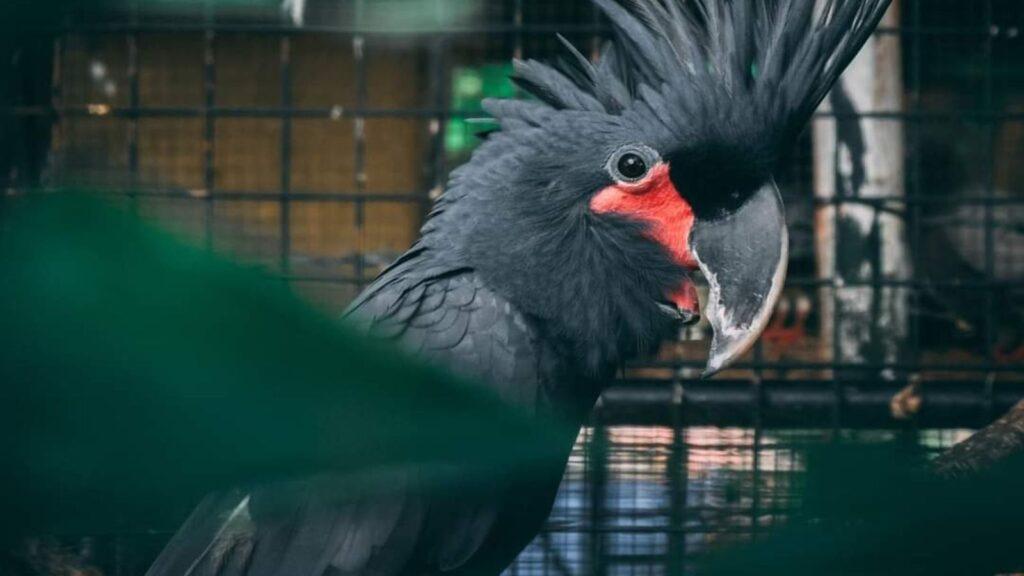
After more than seven years of healing and treatment under the care of Davao Crocodile Park & Zoo (DCPZ), four rescued black palm cockatoos (Probosciger aterrimus) have now fully recovered. The birds were rescued during a major operation in 2018, led by the Department of Environment and Natural Resources (DENR) and the National Bureau of Investigation (NBI).
“When they first arrived, their cheek patches were pale gray, a clear sign of stress and poor health,” said Ana Kate Cuena, DCPZ Operations Supervisor. “Now, their patches glow bright red, showing that they are healthy and thriving.”
Black palm cockatoos are native to Australia, Indonesia, and New Guinea, and play a vital role in the ecosystem. Classified as Near Threatened by the International Union for Conservation of Nature (IUCN), they help maintain forest balance by regulating seed populations, contribute to forest regeneration, and create tree cavities that later serve as shelter for other wildlife, making them important keystone species in their natural habitats.
“These birds arrived weak and frightened, but with proper care, enrichment, and attention, they have transformed into strong, healthy individuals,” said Benjie Alforque, DCPZ Animal Keeper—Birds Division. “Protecting them is protecting our ecosystem.”
View this post on Instagram
According to BirdLife International, cockatoos are being illegally captured and traded due to high demand in the exotic pet market. Prized for their intelligence, striking appearance, and ability to mimic sounds, these birds are often taken from the wild despite their vital role in maintaining healthy forest ecosystems. Conservationists warn that continued trafficking is contributing to population declines in several species.
“These cockatoos are more than just stunning creatures,” said Cuena. “Their survival is a reminder that protecting wildlife is not optional, it is essential.”
The rehabilitation of these birds highlights the critical role of conservation and the importance of giving rescued animals a second chance.—MF
Nely Jean A. Dalimoos is a student at the Holy Cross of Davao College (HCDC) in Davao City. Dalimoos wrote this story as a participant of “From Data to Daily Life: Writing Science and Technology Stories for People,” a science journalism workshop conducted on February 2, 2026 at HCDC, through the Institute of Peace Communication Studies (IPCS) under the Center for Social Communications and Alumni Affairs (CSCAA) and in partnership with MindaNews.
References:
- https://www.birdlife.org/news/2024/05/30/wild-parrots-illegally-captured-for-pets-indonesia-and-philippines-plan-solutions/
- https://datazone.birdlife.org/species/factsheet/palm-cockatoo-probosciger-aterrimus
- https://www.iucnredlist.org/species/22684723/221314898