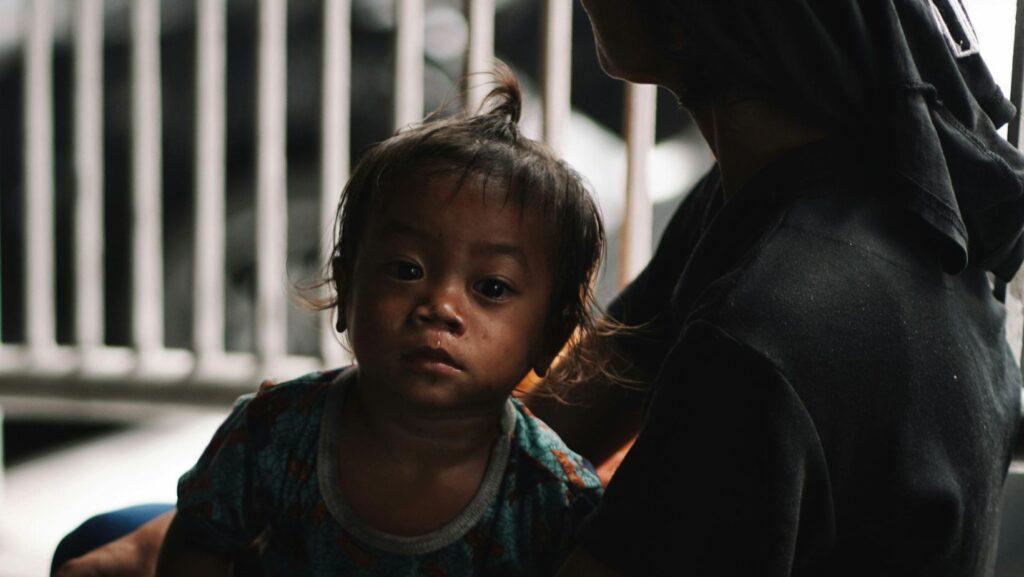
Photo: Mico Medel/Pexels
As the country observes National Women’s Month, the Philippines is facing a disturbing reality: children are having children.
New data from the Philippine Statistics Authority (PSA) show that the trend of births from girls aged 10-14 years old has continued to increase, 8.9% from 2023 to 2024, a worrying trend that highlights the growing vulnerability of young Filipino girls to sexual abuse, exploitation, and early pregnancy. The number of these births is 3,612. Even more alarming, two of the youngest mothers recorded last year were only 10 years old, one from the Bicol Region and another from Western Visayas.
For the Commission on Population and Development (CPD), the figures reveal an urgent national concern that requires stronger protection systems and coordinated action.
“When a child becomes a mother, something has gone terribly wrong,” said CPD Executive Director Undersecretary Lisa Grace S. Bersales. “These are girls who should be in school, discovering their dreams — not raising children before they even understand adulthood.”
Where the numbers are highest
Births for girls aged 10-14 years remain most prevalent in regions with large populations, including CALABARZON (474), the most populous region in the country; Central Luzon (445); NCR (374); and SOCCSKSARGEN (302). These areas face significant challenges in reaching young people with age-appropriate information and services.
“These numbers tell us that the problem is widespread and deeply rooted,” Usec. Bersales explained. “Population size partly explains the numbers, but they also show where we must intensify information campaigns and youth-friendly health services.”
Protecting the next generation of Filipina leaders
The issue takes on added significance as the Philippines celebrates National Women’s Month 2026, with the theme “WE for Gender Equality and Inclusive Society” and the call to “Lead like the Babaylans, Filipinas.”
In pre-colonial Philippine society, the Babaylan symbolized wisdom, leadership, and the well-being of the community.
“But when a 10-year-old girl becomes a mother, she loses the opportunity to fully grow into her potential,” Usec. Bersales said. “Preventing adolescent pregnancy is about protecting the future of young Filipinas — ensuring that they can become the leaders, professionals, and changemakers our nation needs.”
Pushing for stronger laws
To strengthen the national response, CPD is urging Congress to pass and enact the Adolescent Pregnancy Prevention Bill filed in the 20th Congress. The Commission is also supporting Representative Alyssa Michaela “Mica” Gonzales in her proposal to create a Quinta Committee to harmonize the different versions of the bill filed in the 20th Congress and fast-track its passage. The proposed committee would bring together five key House committees on Basic Education and Culture, Health, Welfare of Children, Women and Gender Equality, and Youth and Sports Development.
The proposed law seeks to institutionalize comprehensive reproductive health education, expand adolescent-friendly health services, establish integrated service delivery networks and social protection programs for adolescent parents and their families, and strengthen national coordination to prevent adolescent pregnancies.
It takes a village to raise a child
Usec. Bersales emphasized that preventing adolescent pregnancy requires action not only from the government, but also from families, schools, and communities.
“We need parents who can talk openly with their children. We need teachers who are trained and supported. We need communities that choose to protect their young people. It really takes a village to raise a child,” she said. “These girls are our daughters. Their future — and the country’s future — depends on what we do today. We cannot allow more children to lose their childhood because they were forced into motherhood.”—Press release via CPD/MF
The Commission on Population and Development (CPD) is the country’s lead organization in population and development, or POPDEV, enabling institutions to empower well-planned Filipino families and communities, enabling them to achieve their fertility intentions, prevent adolescent pregnancies, and consciously consider population factors in sustainable development initiatives.