Tag: flipfacts

Are corals plants, rocks, or animals?
Depending on the physical characteristics of whichever specimen you’re observing, it’s easy to mistake a coral for a plant or…
FlipFact (May 7, 2020): What makes each butanding unique?
Growing up to 40 feet (12 m)—longer than your average jeepney—and weighing about 20.6 tons (18.7 metric tonnes), the whale shark (Rhincodon…
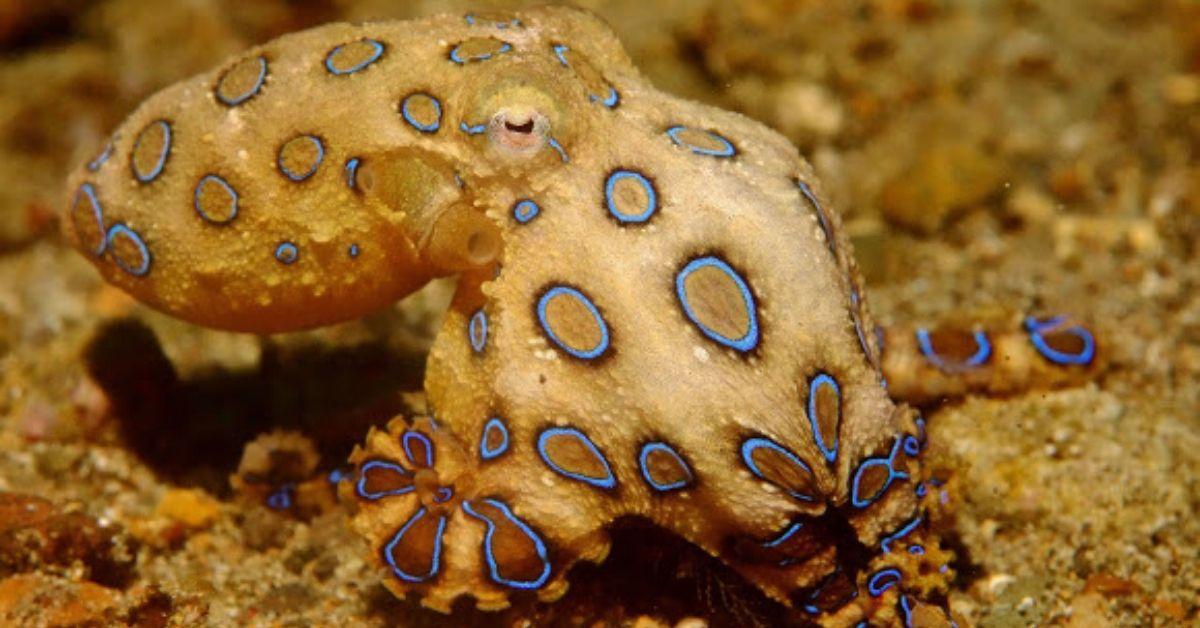
The terrifying toxicity of the greater blue-ringed octopus
The minute mollusk trembles slightly as you pick it up. Captivated by the brief flash of blue rings all over…
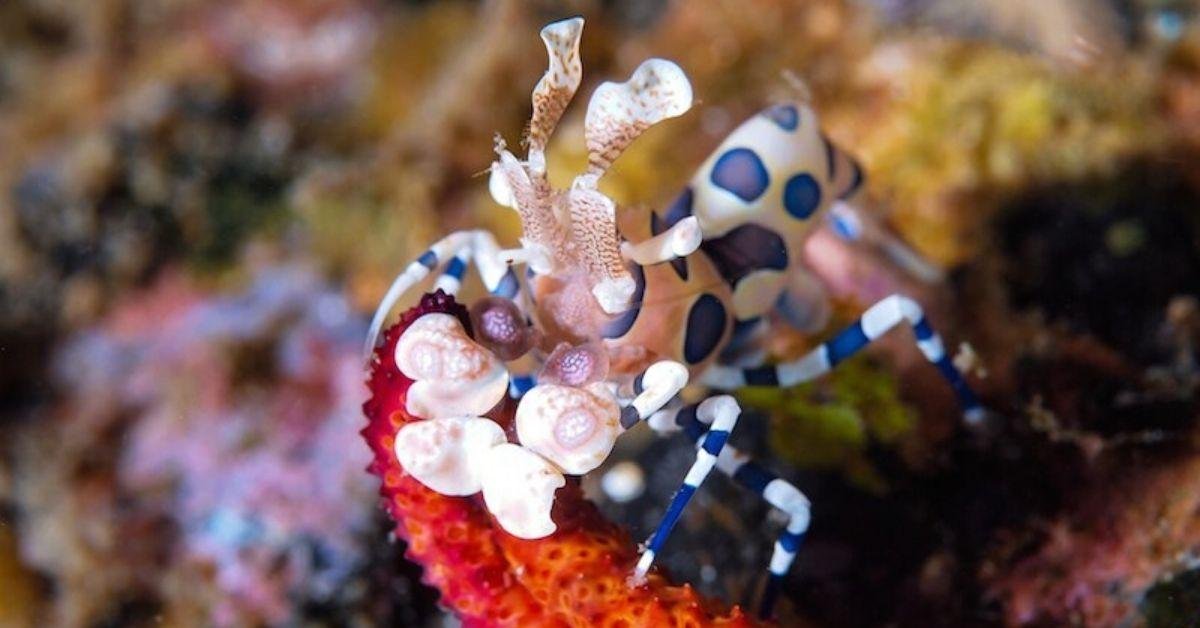
FlipFact (May 5, 2020): The harlequin shrimp’s monotonous yet multicolored diet
Due to its fascinating coloration, the harlequin shrimp (genus Hymenocera) is quite an attention-grabber. There are two visually distinct species under…
FlipFact (May 4, 2020): Just how poisonous is the box jellyfish?
Scientists have identified over 4,000 species of jellyfish (or sea jellies) worldwide. While it’s hard to say exactly how many of…
FlipFact (May 3, 2020): How the bait ball is both a defensive buffer and a predator’s buffet
In order to avoid certain death at the jaws of underwater predators, small schooling fish such as sardines form what…
The slingjaw wrasse’s mouth is straight out of a horror flick
At first glance, the slingjaw wrasse (Epibulus insidiator) may seem just like any other ordinary fish. Growing up to around…
Which marine turtle species are found in the Philippines?
Among the many prehistoric wonders that still exist on Earth today, few are as iconic as the marine turtle (Chelonioidea).…
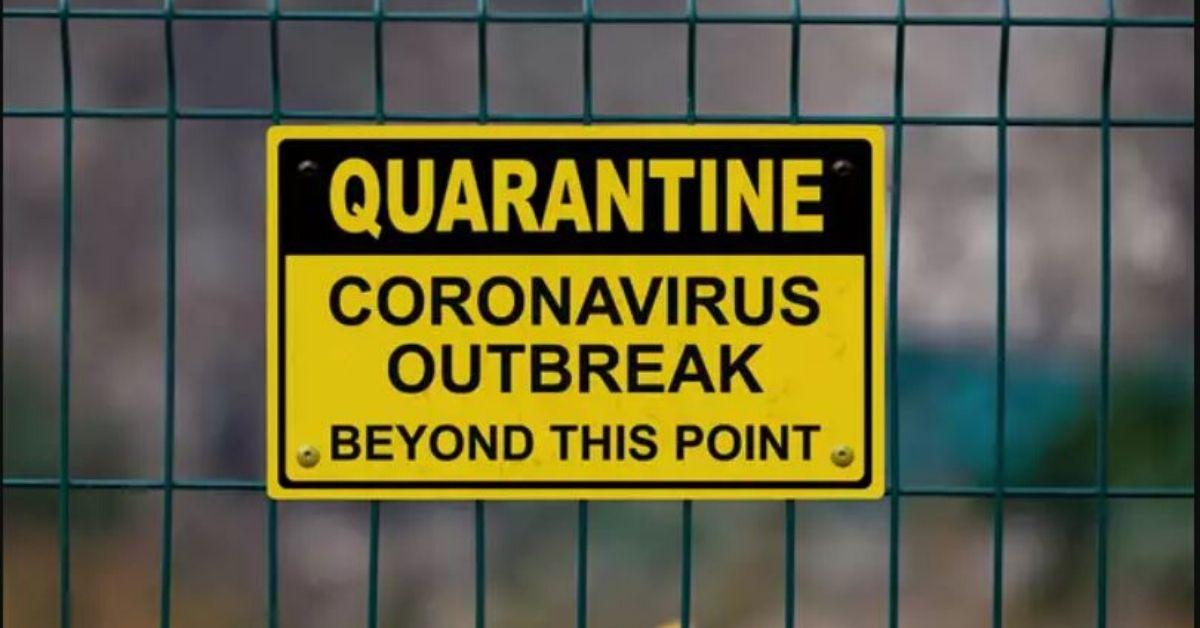
Isolating the origin of the word ‘quarantine’
These days, it’d be difficult to find someone who isn’t familiar with—or frankly, already sick of—the word “quarantine.” The quarantine…
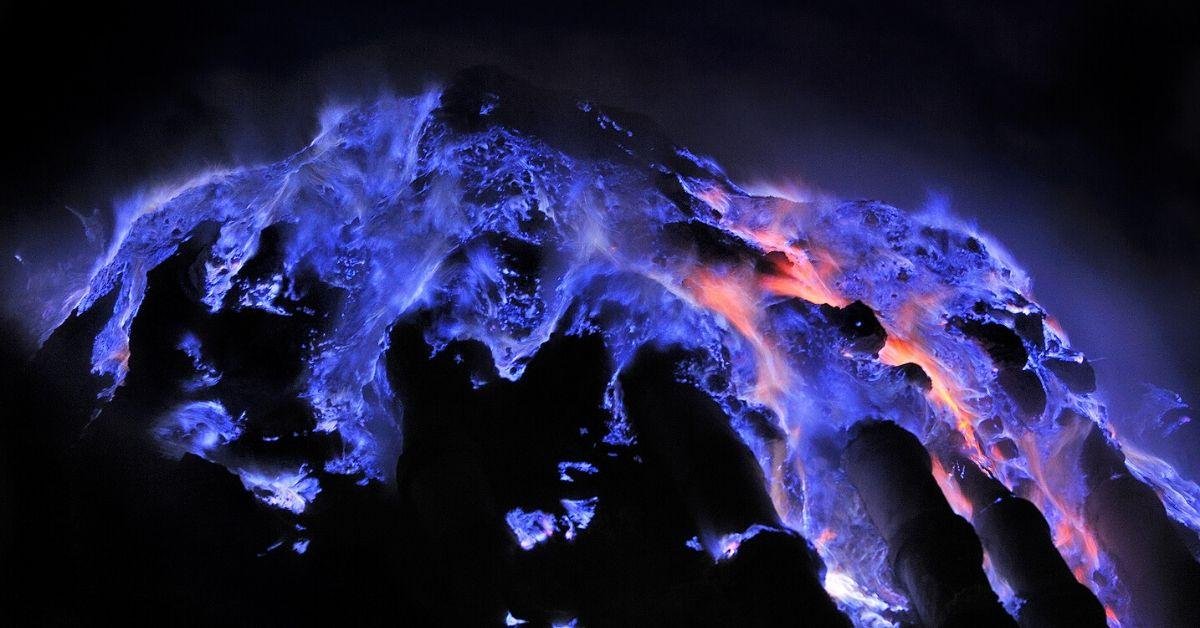
FlipFact (April 25, 2020): The volcano that burns electric blue
The 20-kilometer Ijen caldera in Java, Indonesia is the site of not one, but two noteworthy geological phenomena: an active…