Author: Mikael Angelo Francisco

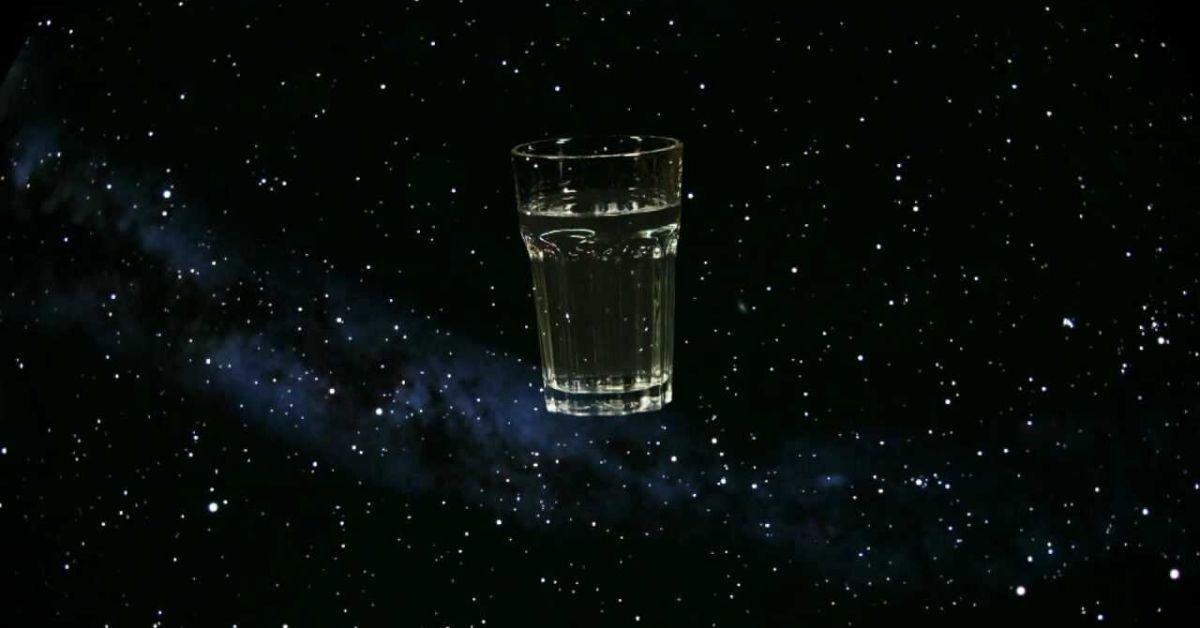
What would happen to water in the vacuum of outer space?
FlipFact of the Day: It’s often said that space is extremely cold. (In reality, it’s the thin gas in space that’s…
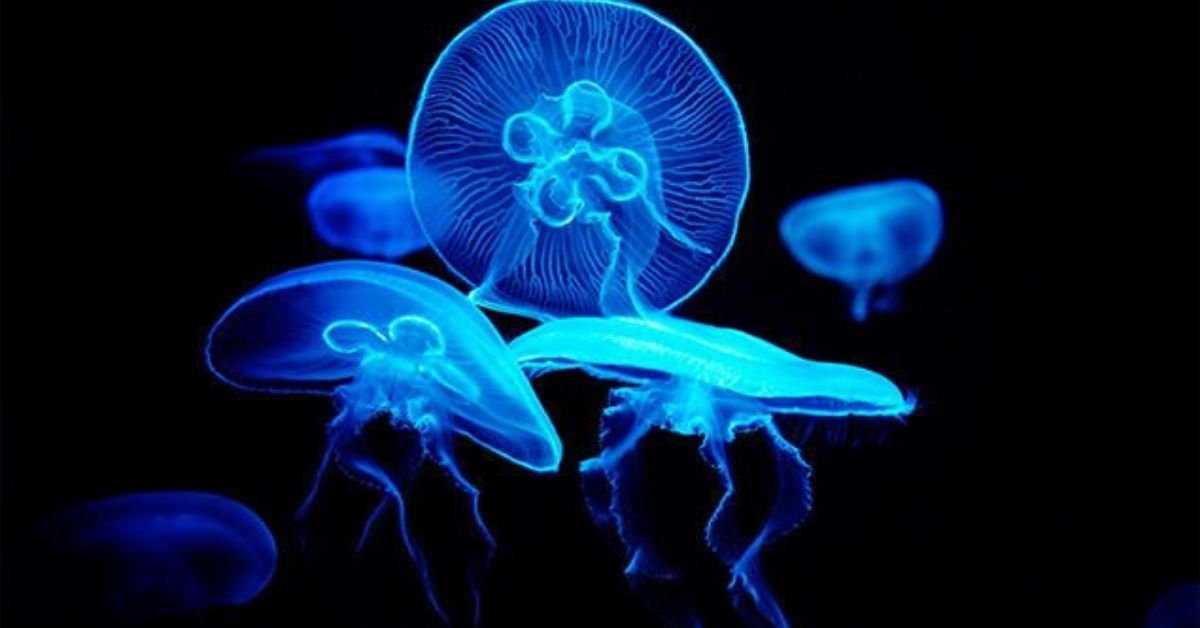
Sea jellies: The incredible survivors of the sea
FlipFact of the Day: The earliest known major extinction event occurred 450 to 440 million years ago, wiping out approximately 60…
FlipFact (August 17, 2019): How big was the largest tadpole ever found?
FlipFact of the Day: In 2018, researchers in Arizona found a tadpole measuring twice as long as a soda can. Meet…
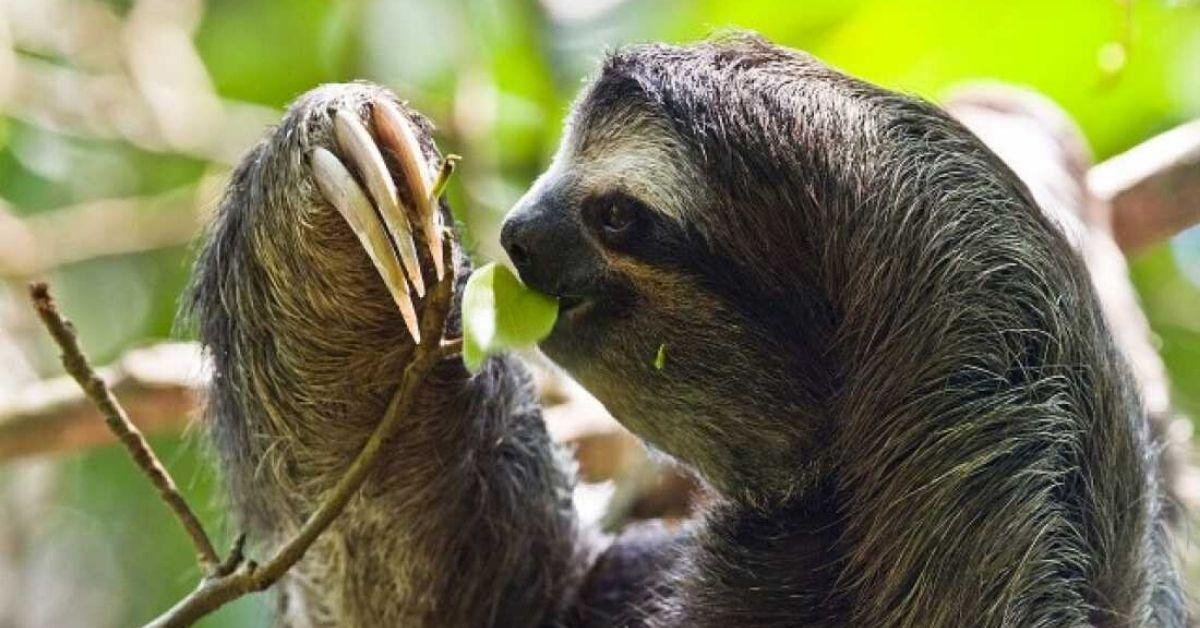
FlipFact (August 16, 2019): How long does it take a sloth to digest a meal?
FlipFact of the Day: No other mammal is known to digest food as slowly as a sloth does. In fact, it…
This epic dinosaur exhibit is right on top of a mall
There’s just something about dinosaurs that never fails to fascinate kids (and kids at heart). Sadly, they all went extinct…
FlipFact (August 15, 2019): The nickel-eating plant discovered in the Philippines
FlipFact of the Day: Discovered in western Luzon by scientists from the University of the Philippines Los Baños, 𝑅𝑖𝑛𝑜𝑟𝑒𝑎 𝑛𝑖𝑐𝑐𝑜𝑙𝑖𝑓𝑒𝑟𝑎 can…
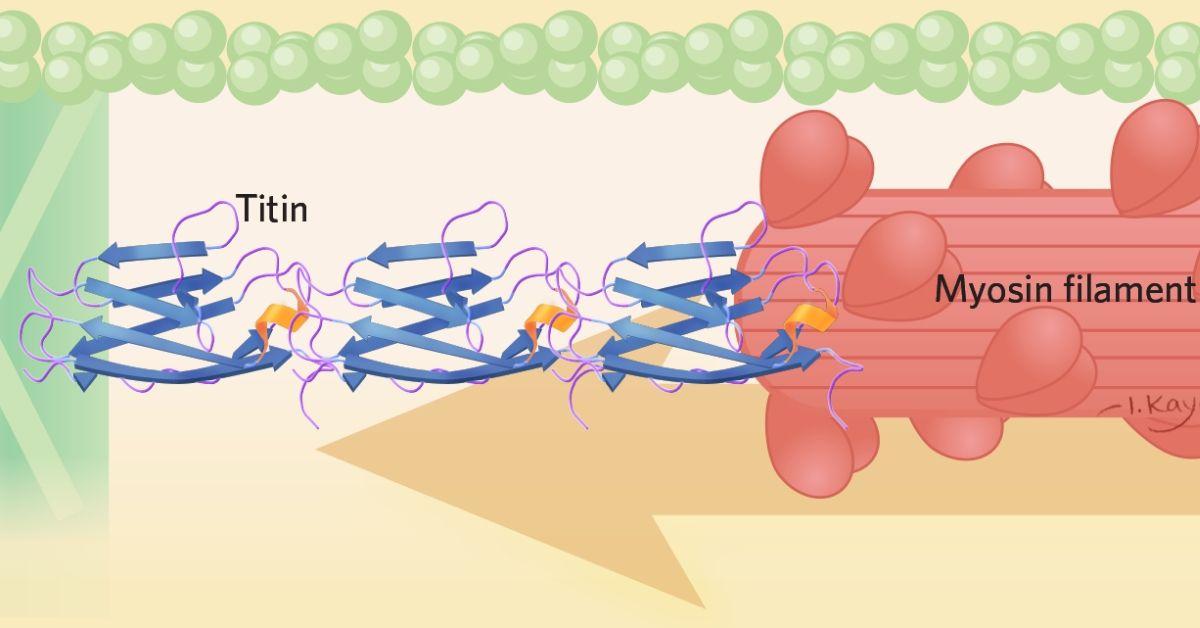
FlipFact (August 14, 2019): The protein with a name that will take you 3.5 hours to pronounce
FlipFact of the Day: Titin, also known as connectin, is the largest known protein in the human body. Folded and spring-like,…
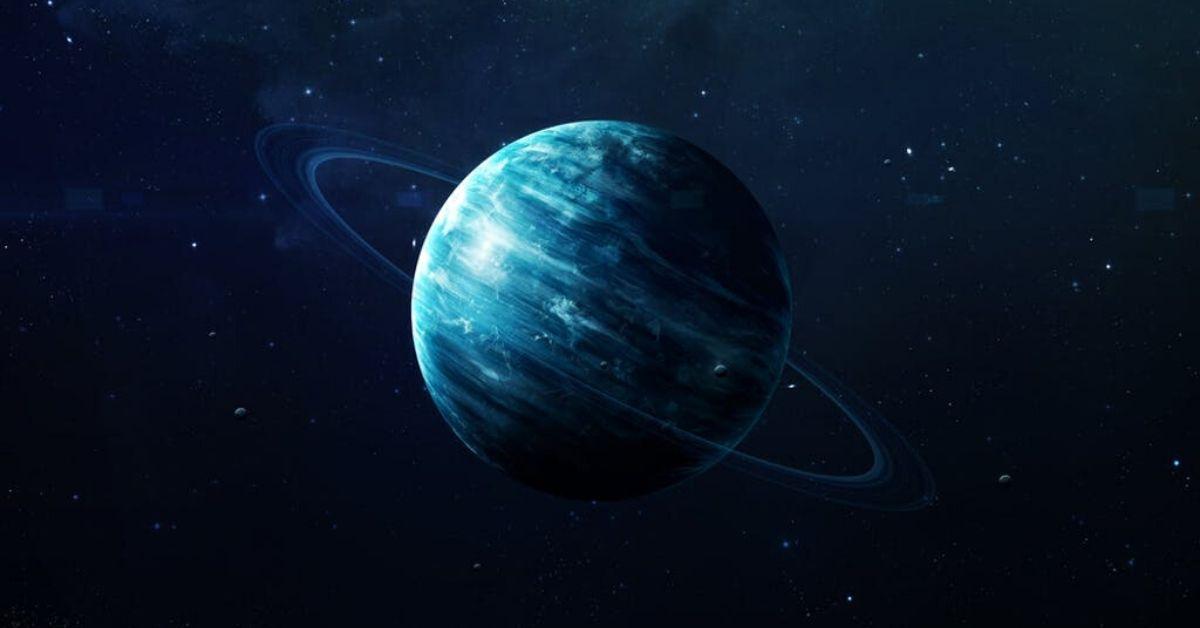
FlipFact (August 13, 2019): Yes, Uranus moves in a very strange way
FlipFact of the Day: With an axis of spin tilted by 98 degrees (relative to the Solar System’s plane), Uranus basically…
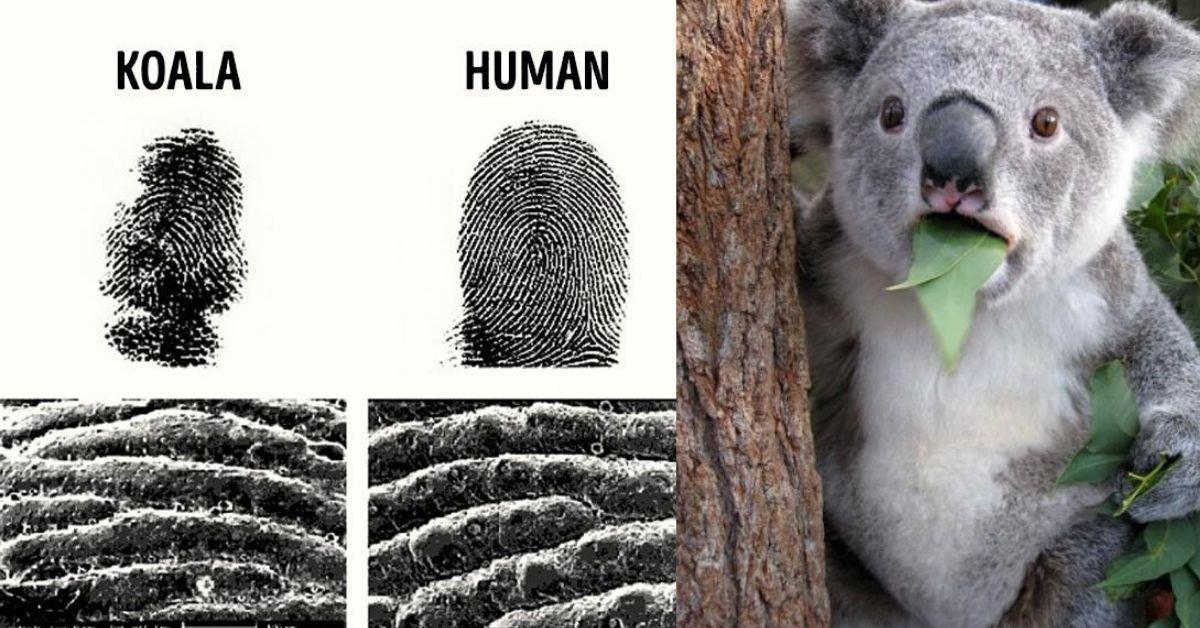
FlipFact (August 12, 2019): Are koalas’ fingerprints identical to ours?
FlipFact of the Day: A koala’s fingerprints are so identical to a human’s that even an expert using a microscope…
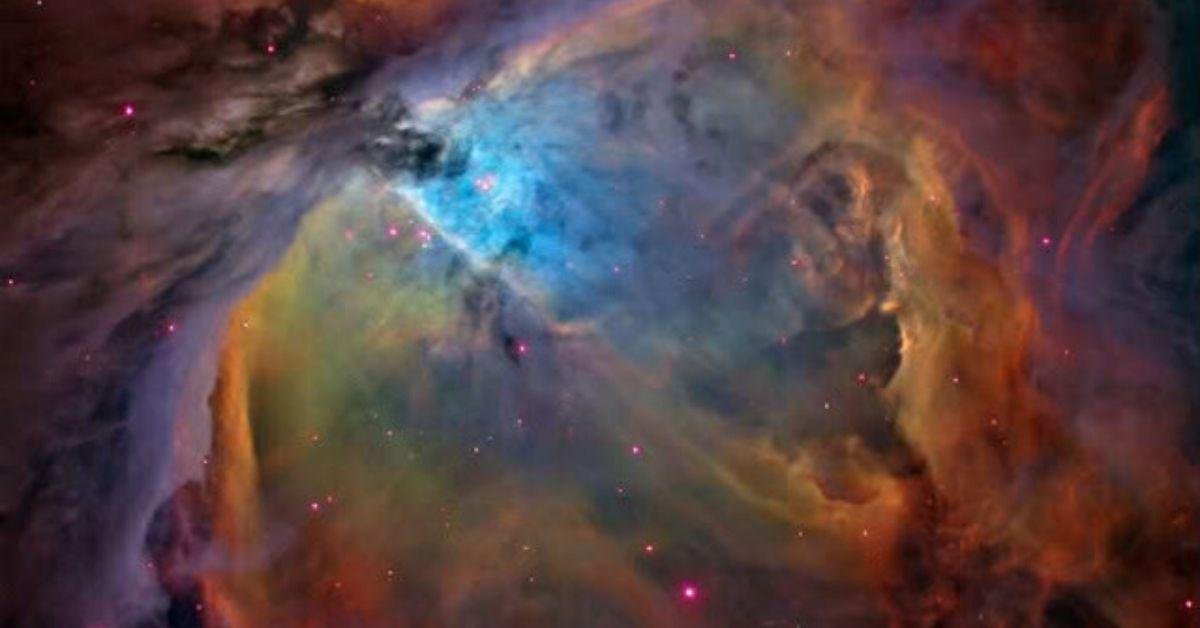
FlipFact (August 11, 2019): The gas cloud that could drown us in booze for a billion years
FlipFact of the Day: In 1995, astronomers discovered a gas cloud located in the Aquila constellation. The nebula, which they called…