Category: Trivia

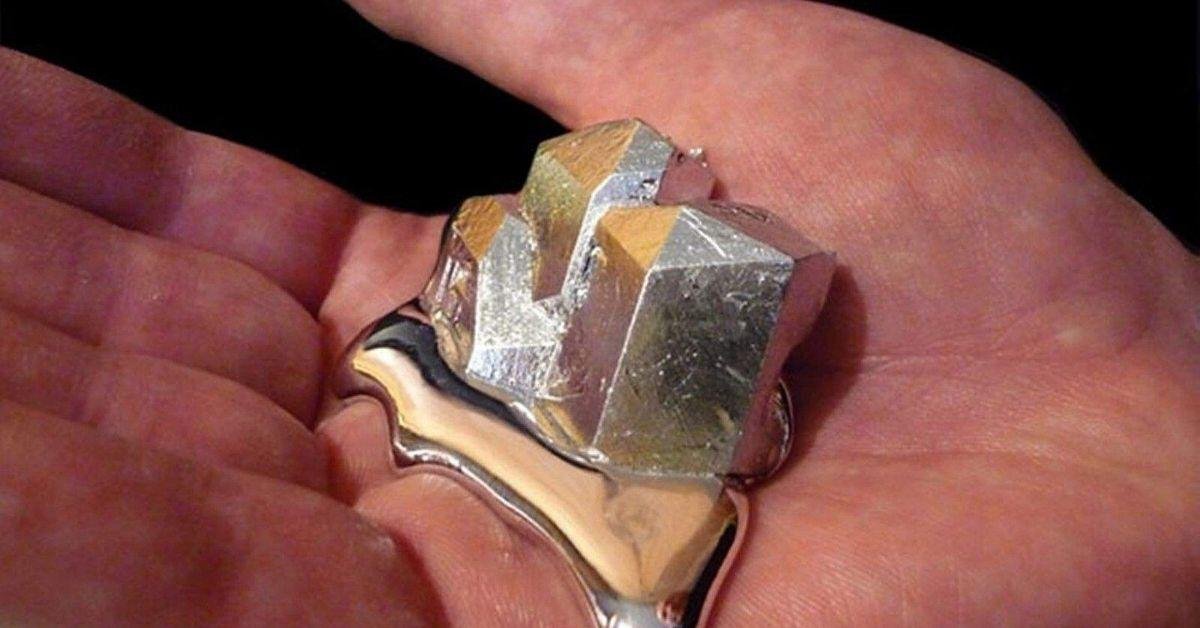
FlipFact (August 25, 2019): The metal that melts in your hand
FlipFact of the Day: The element gallium (Ga) is mainly used in electronic circuits, semiconductors, and light-emitting diodes (LEDs), as well…
FlipFact (August 24, 2019): How did the dwarf planet Pluto get its name?
FlipFact of the Day: The Lowell Observatory in Arizona announced the discovery of Pluto in March 1930. After they did…
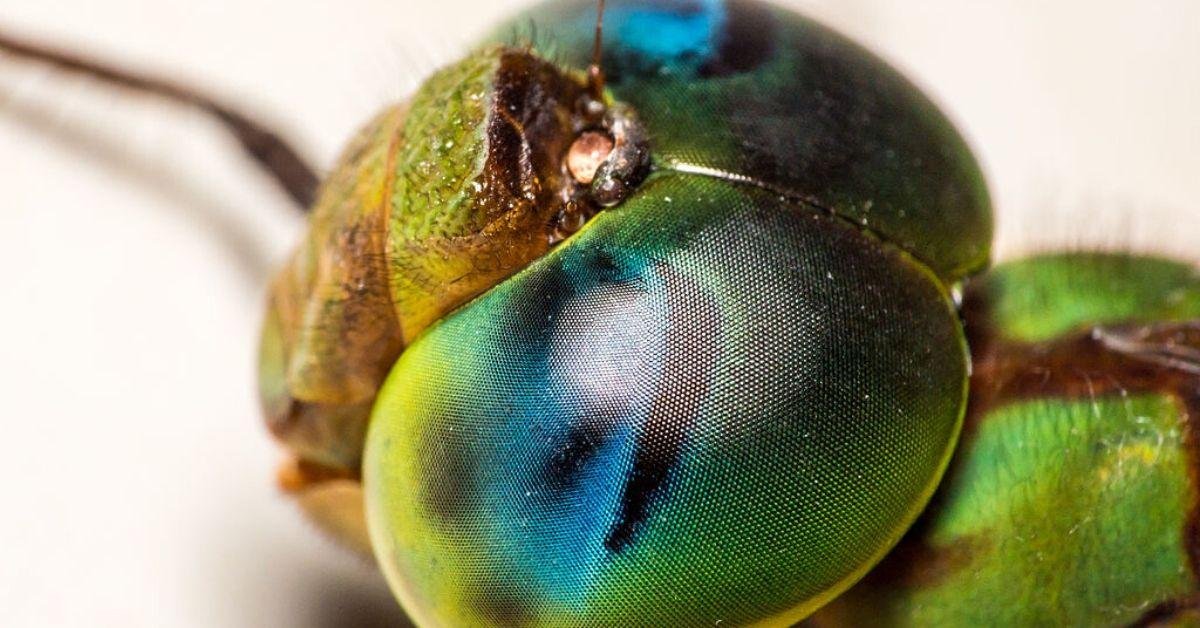
FlipFact (August 23, 2019): Why are dragonflies so hard to catch?
FlipFact of the Day: Have you ever wondered why dragonflies seem so hard to catch? It’s because they’re particularly sensitive to…
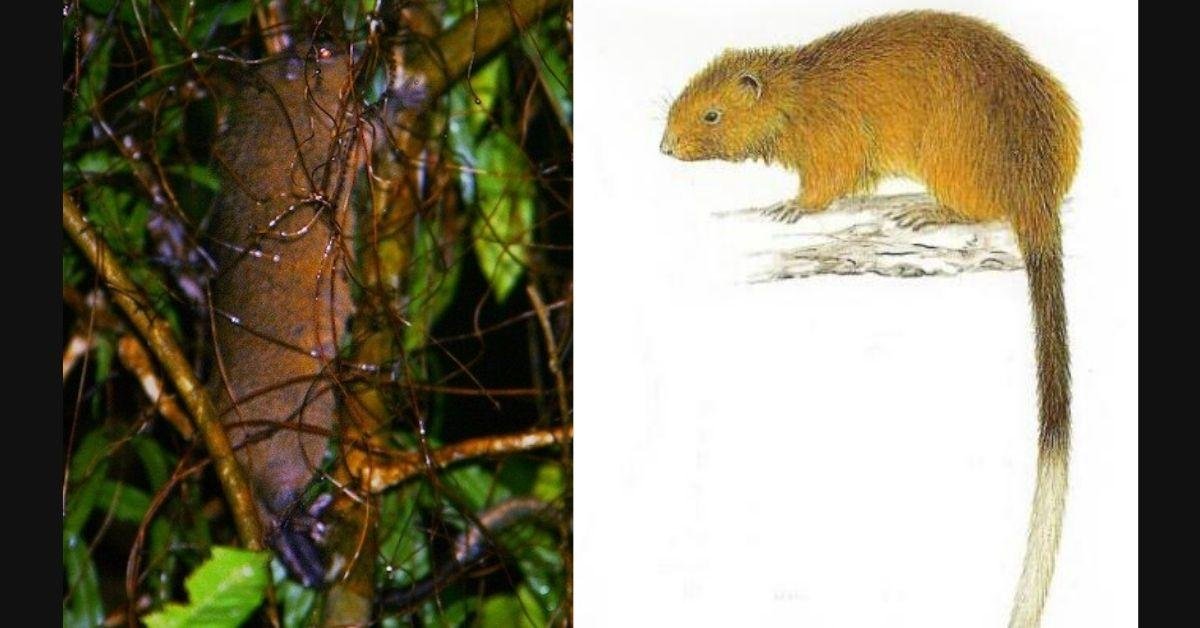
FlipFact (August 22, 2019): The ‘extinct’ rat rediscovered in the Philippines after four decades
FlipFact of the Day: There are six cloud rat species (and two dwarf cloud rat species) that are native to the…
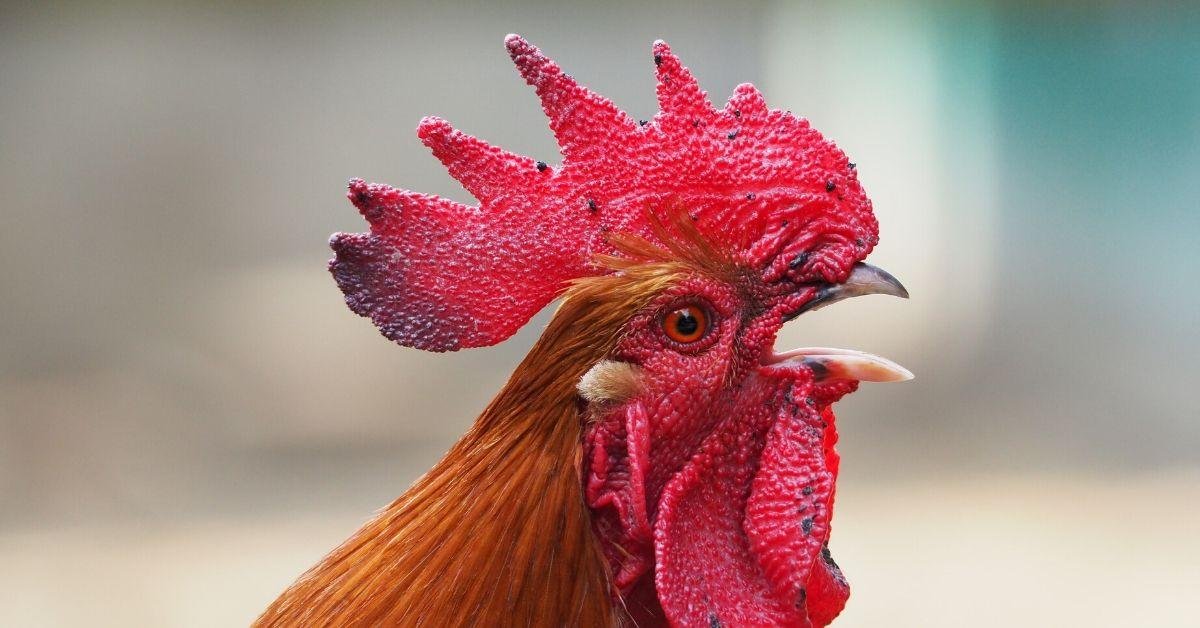
FlipFact (August 21, 2019): Can chickens really undergo natural sex changes?
FlipFact of the Day: Spontaneous sex reversals in chickens are extremely rare, but they are possible. Scientists aren’t 100% sure why…
FlipFact (August 20, 2019): Why do babies have more bones than adults?
FlipFact of the Day: Normally, a human baby is born with around 300 bones, most of which are cartilage. There’s a…
What would happen to water in the vacuum of outer space?
FlipFact of the Day: It’s often said that space is extremely cold. (In reality, it’s the thin gas in space that’s…
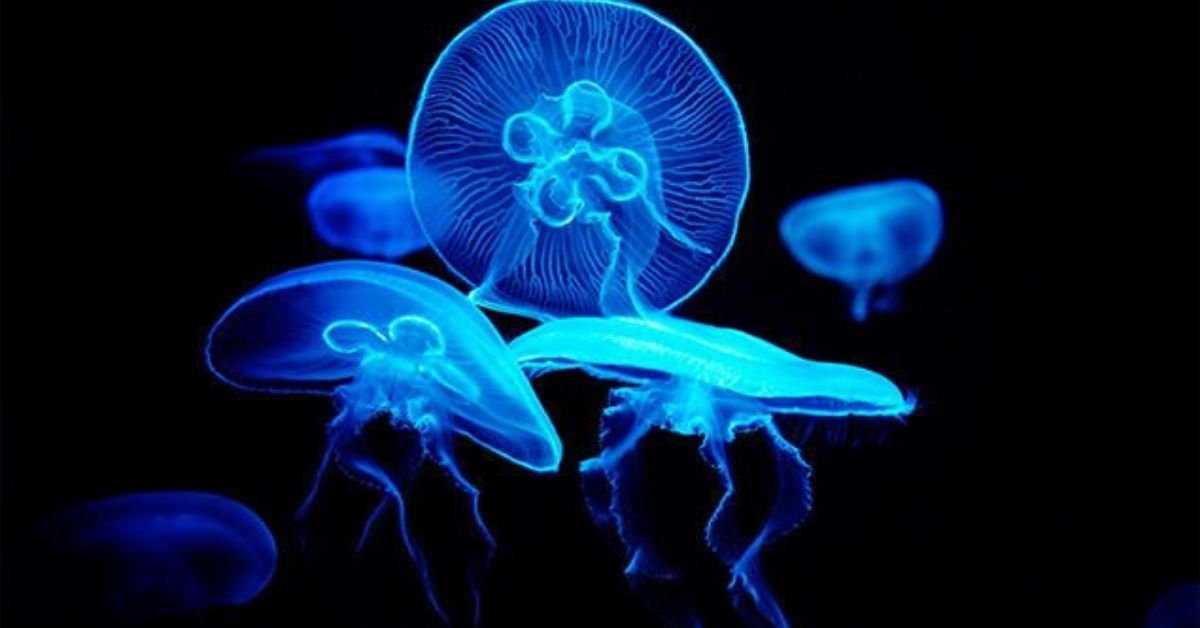
Sea jellies: The incredible survivors of the sea
FlipFact of the Day: The earliest known major extinction event occurred 450 to 440 million years ago, wiping out approximately 60…
FlipFact (August 17, 2019): How big was the largest tadpole ever found?
FlipFact of the Day: In 2018, researchers in Arizona found a tadpole measuring twice as long as a soda can. Meet…
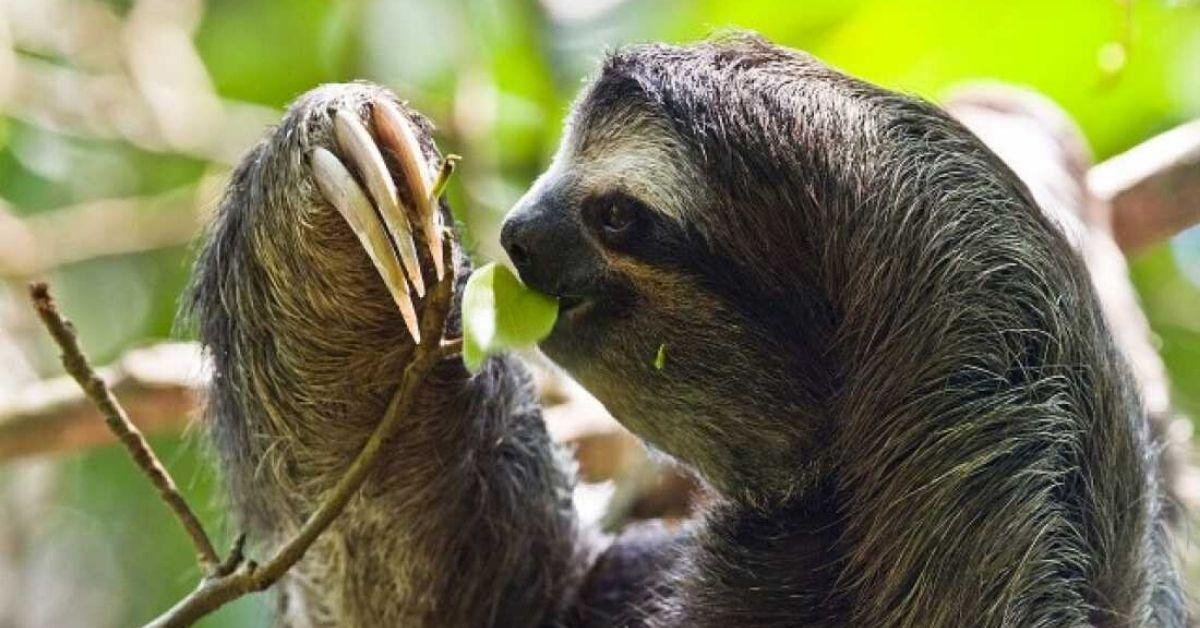
FlipFact (August 16, 2019): How long does it take a sloth to digest a meal?
FlipFact of the Day: No other mammal is known to digest food as slowly as a sloth does. In fact, it…