Category: Biodiversity

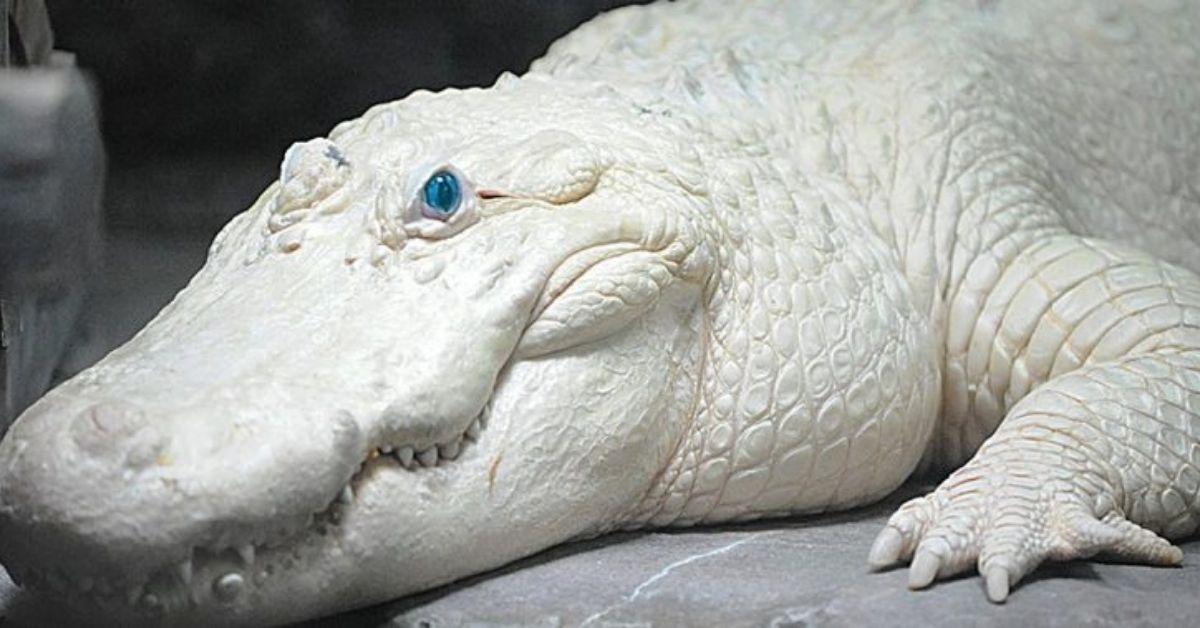
Leucism vs. albinism: What’s the difference?
Roaring Earth Have you ever seen an animal that’s almost entirely white, even though they’re typically much more colorful? What…
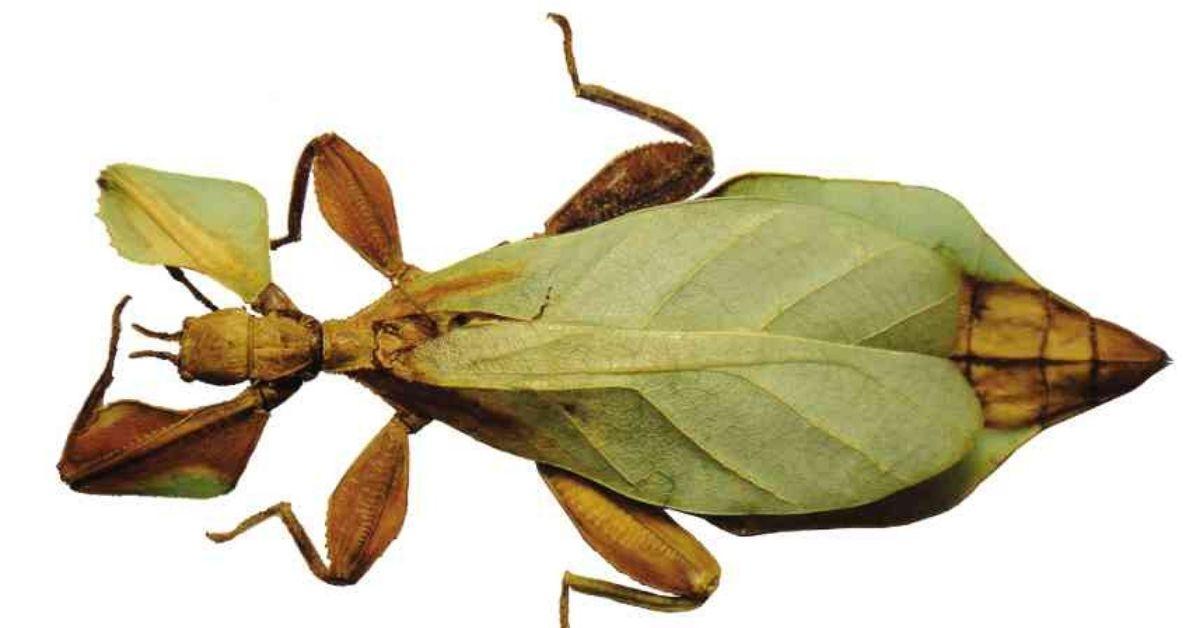
Phyllium bonifacioi: the leaf insect named after the Supremo
UPLB Museum of Natural History First discovered in 2011 during an expedition in Northern Luzon, Phyllium bonifacioi is the tenth…
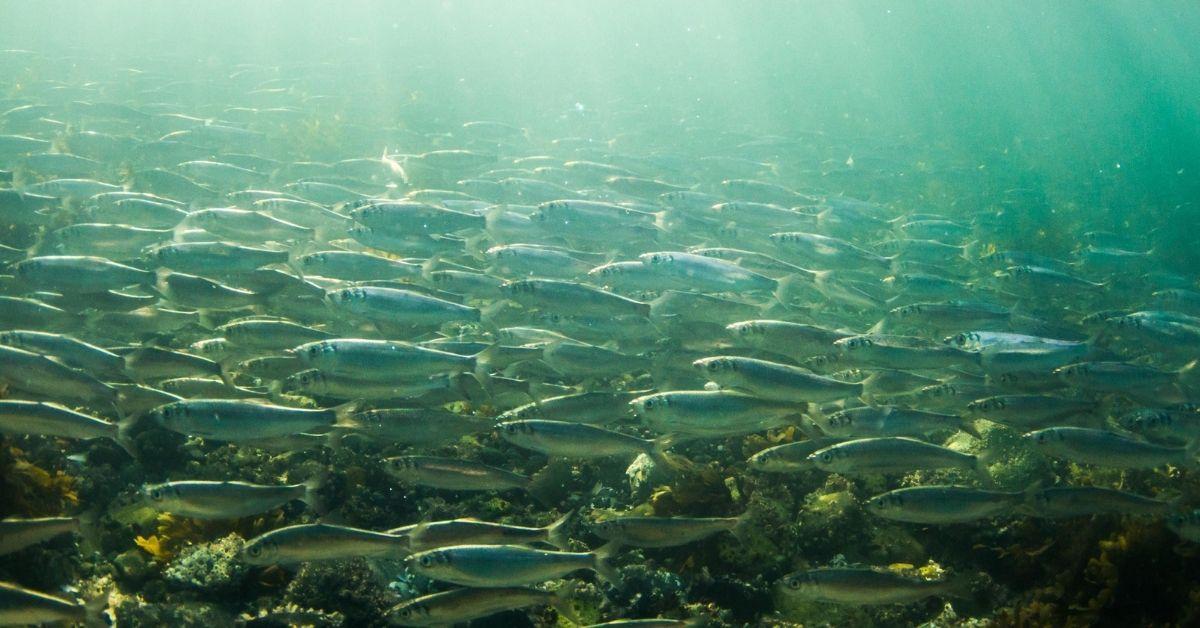
How herring ‘farts’ almost caused Russia and Sweden to come to blows
National Geographic Creative/Alamy Stock Photo In the early 1980s, the Swedish navy was extremely wary of Soviet activity around the…
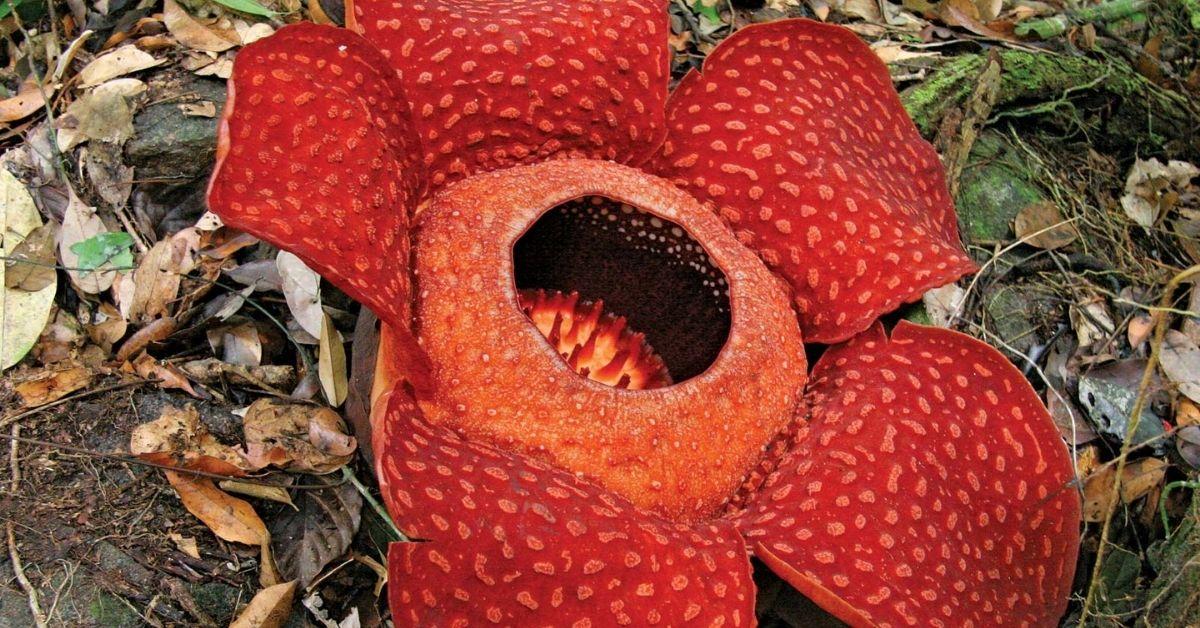
The corpse lily: the massive flower that smells like rotting meat
Hemera/Thinkstock With a flower that reaches up to 3.3 ft (1 m) in diameter and weighs up to 24 lbs…
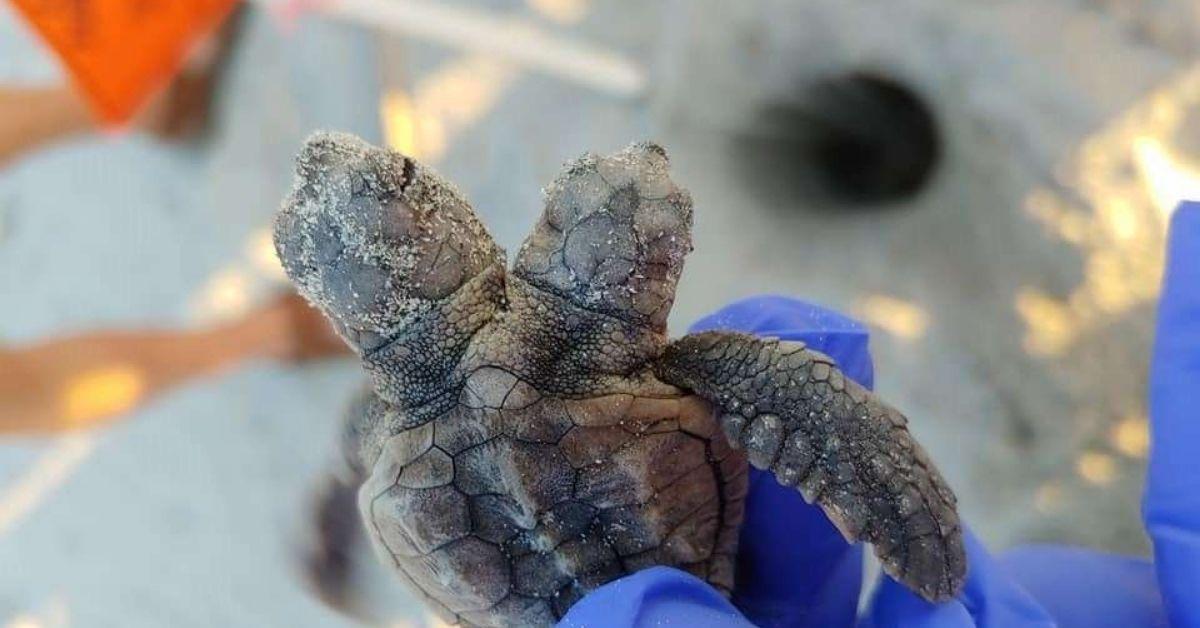
Polycephaly: Why some animals are born with two heads
Sea Turtle Patrol Hilton Head Island (South Carolina) The discovery of two-headed animals in nature often makes local news headlines. There’s…
Meet the tuatara, a lizard-like ‘living fossil’
Wikimedia Commons Meet the tuatara (Sphenodon punctatus), a unique creature that looks somewhat like a cross between an iguana and…
How carrots went from being purple to orange
carrotmuseum.co.uk These days, when we think of carrots, orange is the first color that comes to mind. Interestingly enough, this…
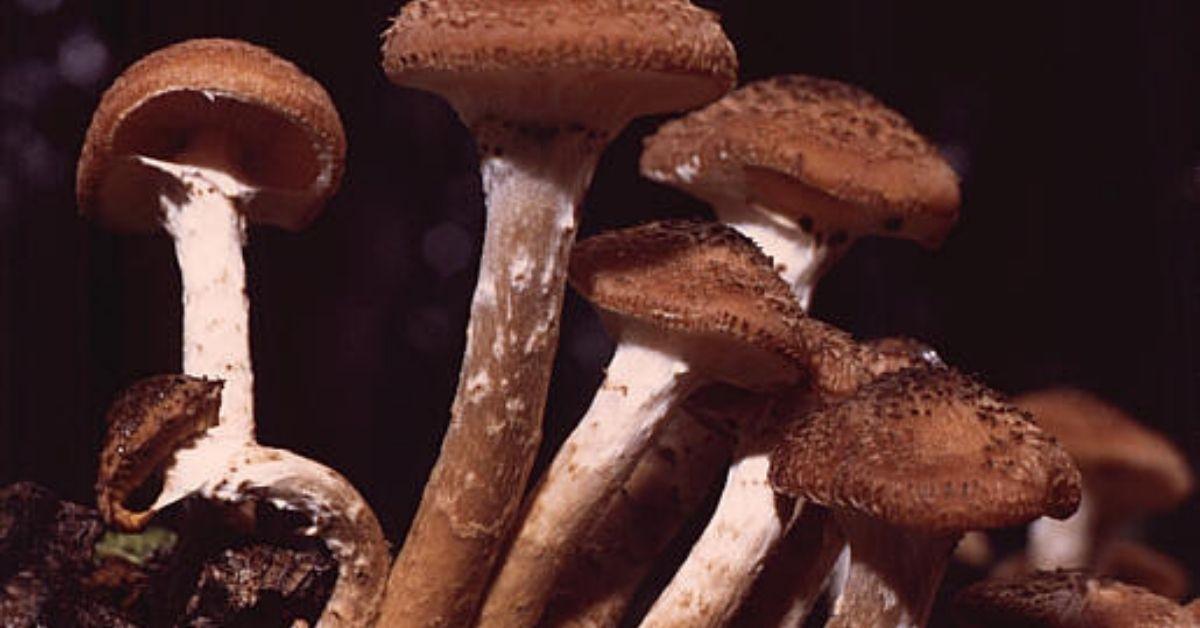
This massive fungus is (technically) the largest known living organism
W. J. Pilsak/Wikimedia Commons Based on a technicality, the world’s largest living organism is a gigantic honey fungus colony in…
Why is the water hyacinth a notorious aquatic pest?
Ted Center/USDA In 1901, a strange aquatic plant was brought into Thailand from Indonesia by Thai royalty, captivated by its…
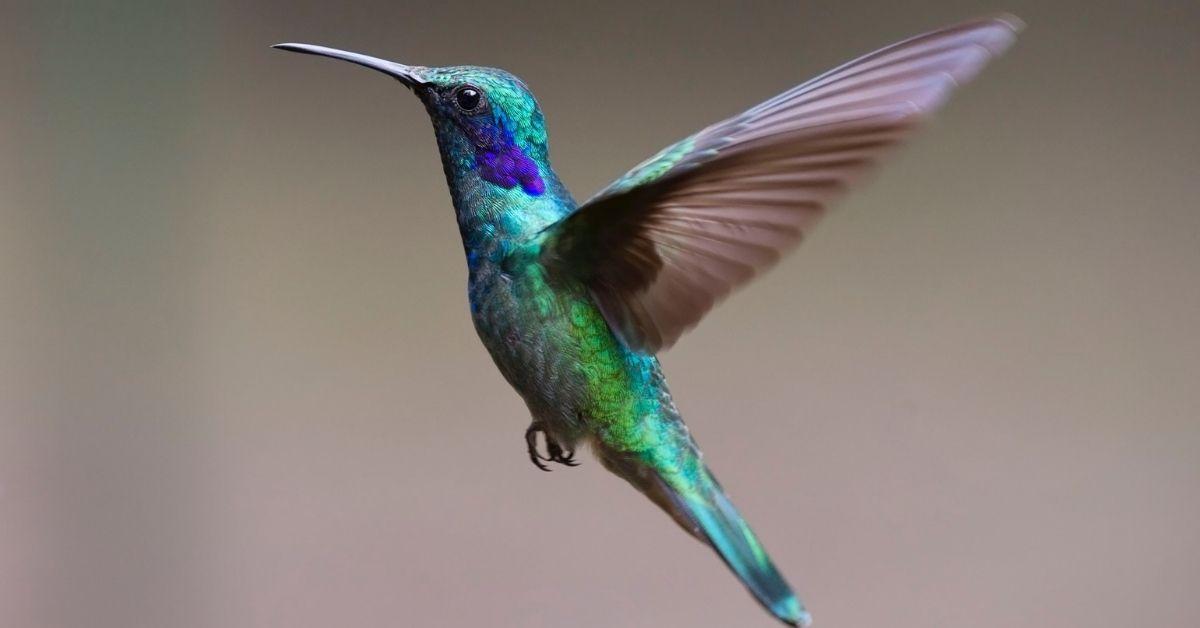
Why hummingbirds are like ‘living helicopters’
Getty Images Fact: Hummingbirds are the only birds known to be capable of flying backwards for any length of time…