Tag: flipscience

How an insect made the world go crazy over red
From the nearly 17,000-year-old Lascaux cave paintings in France to the bright ribbon around your Valentine’s Day bouquet, the color…
FlipFact (February 13, 2020): How was gunpowder invented?
FlipFact of the Day: Throughout the course of history, countless inventions have been attributed to—or claimed by—China. Chief among these is…
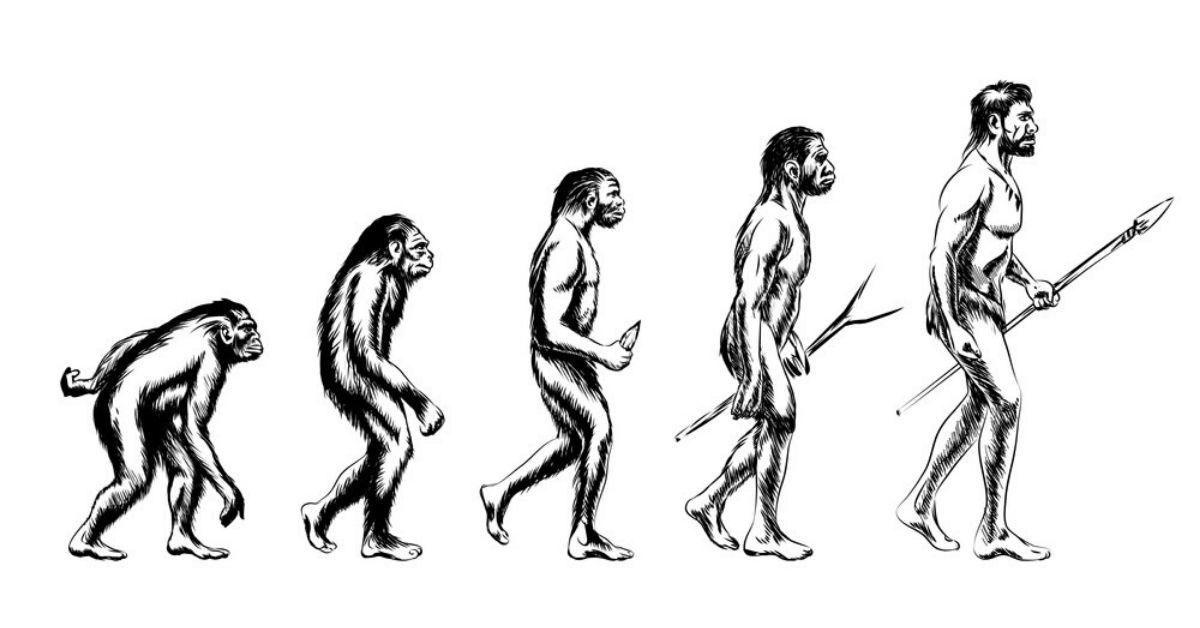
FlipFact (February 12, 2020): Did humans really evolve from apes?
FlipFact of the Day: To this day, the topic of human evolution remains hotly debated. Those who support the idea of…
FlipFact (February 11, 2020): Was the first artificial sweetener really discovered by accident?
FlipFact of the Day: We’re consistently reminded of the importance of proper hygiene practices, chief of which is the act of…
FlipFact (February 10, 2020): Does cracking knuckles cause arthritis or joint damage?
FlipFact of the Day: Some people crack their knuckles to prepare themselves to take on a challenging task; others do…
FlipFact (February 9, 2020): Does the sun move?
FlipFact of the Day: In a pamphlet published in 1612 called Letters on Sunspots (Istoria e Dimostrazioni intorno alle Macchie Solari), Galileo…
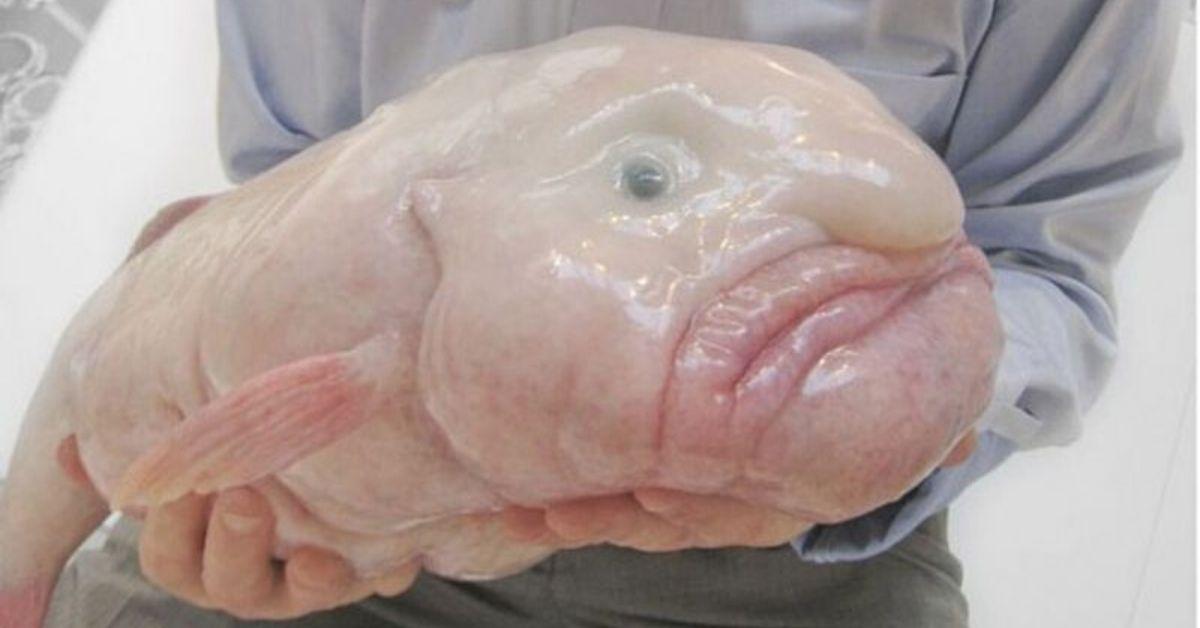
FlipFact (February 8, 2020): This is what a blobfish really looks like
FlipFact of the Day: Think of the words “ugly” and “fish” together; there’s a very good chance that the first thing…
Do you really get tetanus from rusty nails?
FlipFact of the Day: There’s just something so unpleasant and repellent about rust, especially when it’s on a frequently used…
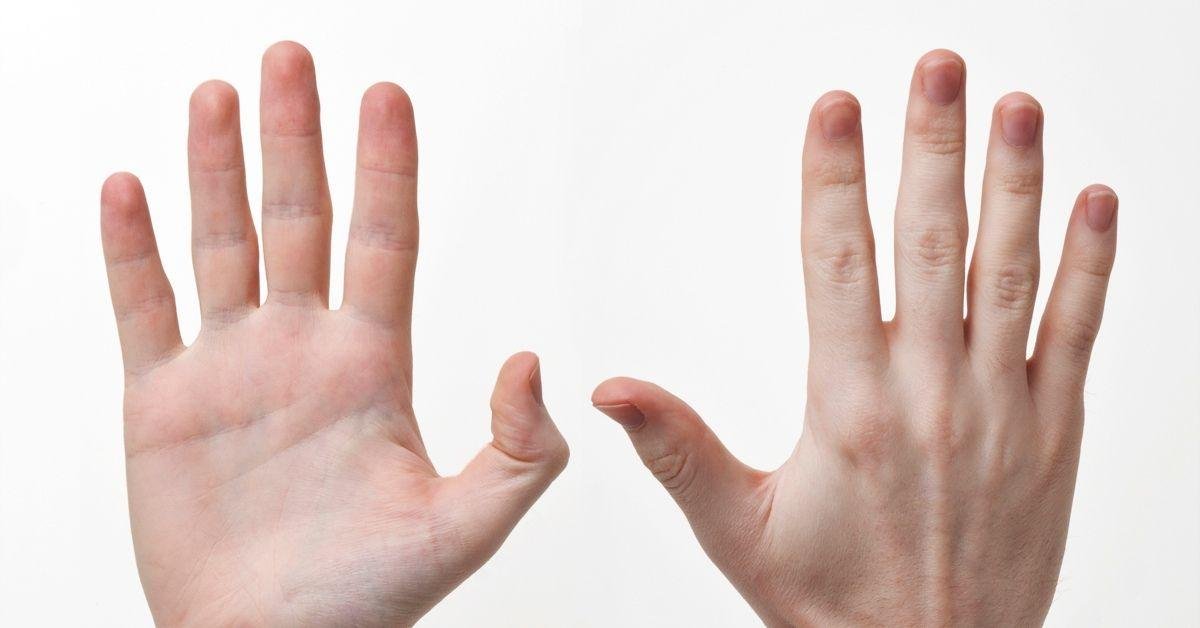
FlipFact (February 6, 2020): If human fingers have no muscles, then how do they move?
FlipFact of the Day: Amazingly agile, incredibly sensitive, and impressively versatile, our fingers play a key role in virtually everything…
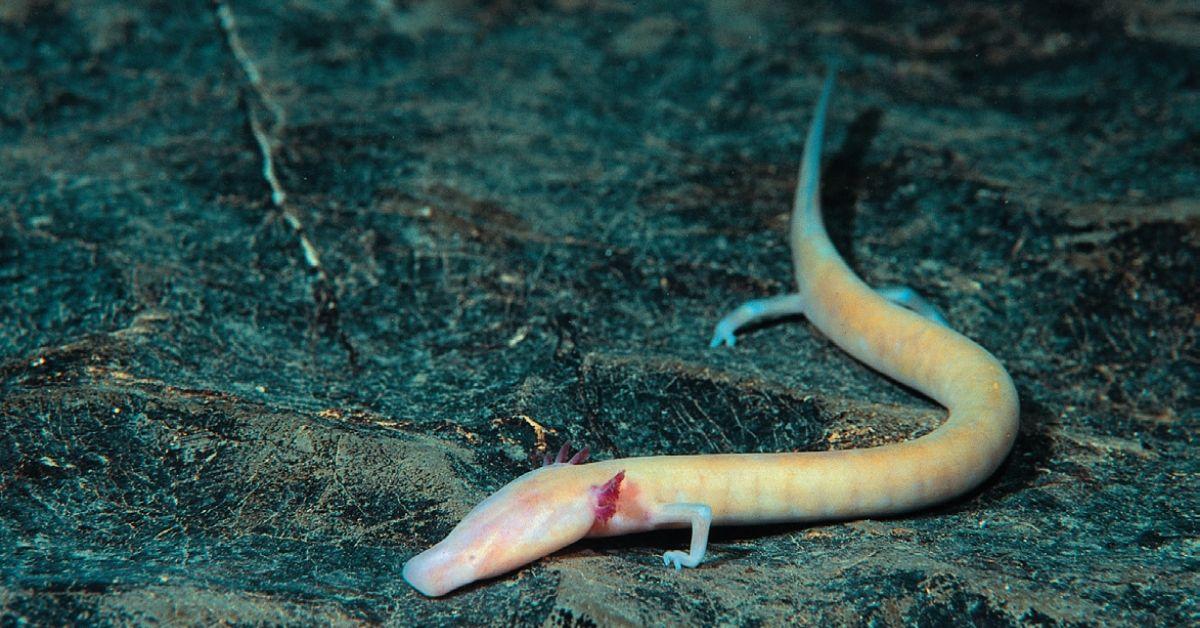
FlipFact (February 5, 2020): The cave salamander that can live without food for a decade
FlipFact of the Day: Were it not for its tiny legs, it would have been easy to mistake the olm (Proteus anguinus)…